
Find Cincinnati Unclaimed Money
Cincinnati unclaimed money totals more than $267 million held at the state level through Hamilton County. That makes Hamilton County the third highest in Ohio for lost funds. Cincinnati residents can search for unclaimed money online for free through both the state database and the Hamilton County Treasurer's office. Uncashed checks, dormant bank accounts, old insurance payouts, and forgotten deposits are the most common types of unclaimed funds in the Cincinnati area. Searching takes just a few minutes and could turn up money you did not know you had.
Cincinnati Unclaimed Money Overview
Search Cincinnati Unclaimed Funds
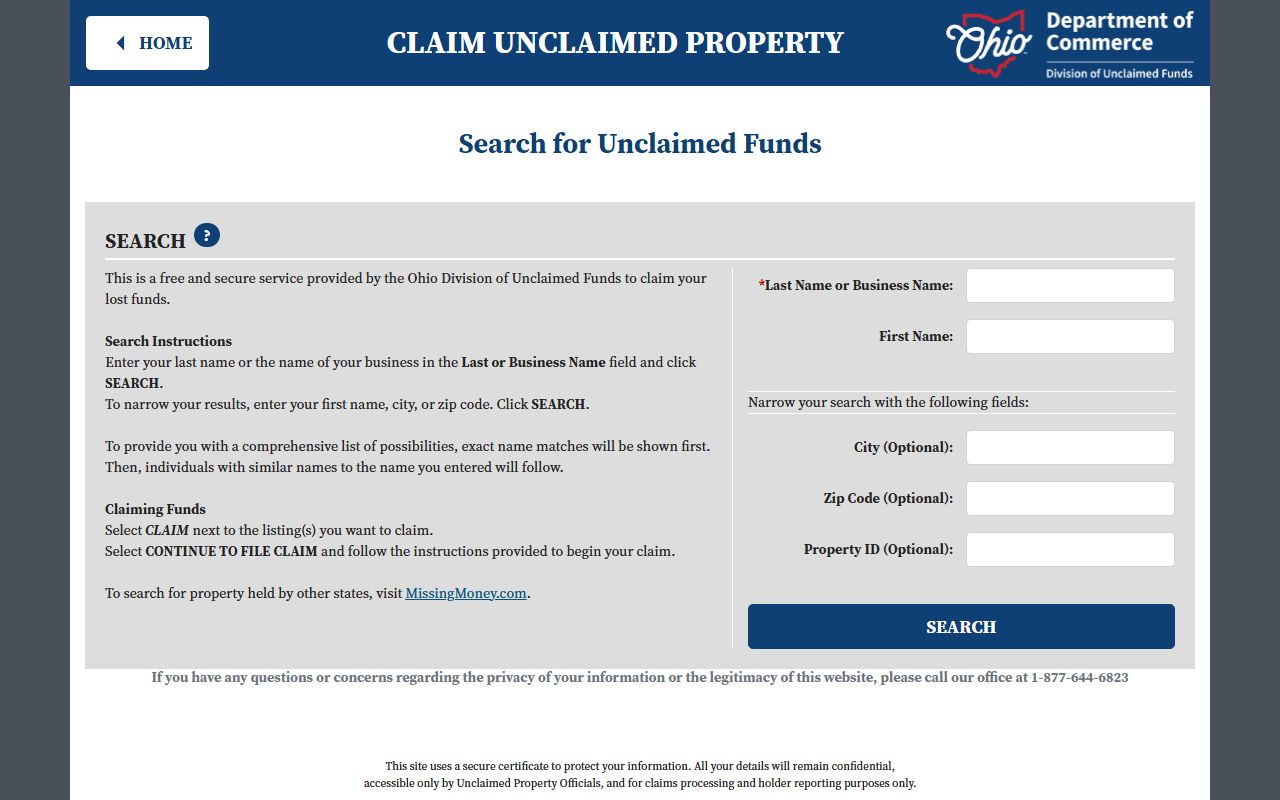
The Ohio Division of Unclaimed Funds is the primary search tool for Cincinnati residents. This state database holds funds reported by banks, insurance companies, businesses, and other holders across Ohio. Search by name to find matches. You can also filter by city or use Cincinnati ZIP codes 45201 through 45299 to get more specific results.
Cincinnati sits right on the border with Kentucky and Indiana. That location matters when it comes to unclaimed money. Many Cincinnati residents work across state lines, and businesses in the tri-state area may hold funds in neighboring states. Under ORC Chapter 169, Ohio businesses must report dormant accounts after a set period. Checking accounts go dormant after five years. Wages become unclaimed after one year. But if you had a job or bank account in Kentucky or Indiana, you should search those state databases too.
The City of Cincinnati Finance Department handles city disbursements including vendor payments and payroll. Some of these may become unclaimed funds over time. Contact the city for details about any municipal money that might be in your name.
Hamilton County Unclaimed Money
Cincinnati falls under Hamilton County, which ranks third in Ohio for total unclaimed funds at $267.3 million. The Hamilton County Treasurer maintains a list of county-held unclaimed funds. This is separate from the state database. The county list includes money from the Clerk of Courts, Probate Court, and other county agencies.
The 2023 Unclaimed Funds PDF from Hamilton County contains thousands of listings with names, addresses, and amounts. You can look through it to see if your name shows up. Under ORC 9.39, county officials must track all money collected through their offices. If nobody claims those funds within five years, the money can go into the county general fund. State-held funds have no time limit. The Division of Unclaimed Funds holds that money until someone files a valid claim.
Check MissingMoney.com for a nationwide search too. Given Cincinnati's location on the border of three states, this is especially useful. The national database pulls records from 39 states so you can check multiple states at once.

Note: Cincinnati residents near the Kentucky and Indiana borders should also check those states' unclaimed property databases.
Claiming Unclaimed Money in Cincinnati
The claim process is free and straightforward. Search first. Gather your documents second. Submit the claim third. You need a valid ID, proof of address, and your Social Security number. A W-9 form is typical. Claims over $3,000 may need notarization. For deceased family members, you will need probate papers and a death certificate.
The How to Claim page breaks down the steps for different types of claims. Upload your forms online at unclaimedfunds.ohio.gov or mail them to the Department of Commerce at 77 S. High St. 20th Floor, Columbus, Ohio 43215. The state reviews claims within 120 days. Track your status through the Claim Status Lookup tool at any time.
In 2024, the Division returned $149.6 million to Ohio residents. The average claim was about $4,000. Cincinnati residents make up a significant share of those claims given the high volume of unclaimed funds in Hamilton County. Search at least once a year because new funds get reported annually by businesses across Ohio.
Sources of Cincinnati Lost Funds
Cincinnati unclaimed money comes from several places. The biggest sources are dormant bank accounts and uncashed checks. The city has a large corporate presence with major employers in healthcare, finance, and consumer goods. All that business activity means more unclaimed funds over time. Insurance payouts, stock dividends, and safe deposit box contents round out the common types.
Under ORC 169, Ohio businesses must try to reach account owners before reporting dormant funds. They review records each year and contact anyone with an inactive account worth $50 or more. If the business cannot find the owner, it sends the money to the state. Penalties for failing to report can reach $100 per day plus 1% monthly interest. The Division encourages Cincinnati residents to search every year because the database grows with each reporting cycle.
Life insurance proceeds become dormant three years after the death of the insured if nobody files a claim. Security deposits on rentals have a one year dormancy window. IRA and retirement accounts become unclaimed after three years. Cincinnati is a major corporate hub with Procter and Gamble, Kroger, and other large employers. Payroll checks and vendor payments from these companies can end up unclaimed when workers move on without forwarding addresses.
Nearby Cities With Unclaimed Funds
If you have ties to other cities in the Cincinnati area, search their county resources as well.
Hamilton and Fairfield are in Butler County, which holds $60.8 million in unclaimed funds. Middletown sits on the border of Butler and Warren counties. Each county has its own auditor and treasurer who may hold unclaimed funds from local government transactions. The state database covers all of Ohio in one search, but county databases need to be checked on their own.