
Access Dayton Unclaimed Money
Dayton unclaimed money is part of $131.4 million in unclaimed funds held by the state through Montgomery County. That ranks Montgomery County fourth in all of Ohio. Dayton residents can look up unclaimed money for free through the state portal and county search tools. Lost bank accounts, uncashed checks from employers, old insurance payouts, and forgotten deposits are the most common types you will find. The search is quick and there is no fee at any step of the process.
Dayton Unclaimed Money Overview
Search Dayton Unclaimed Funds
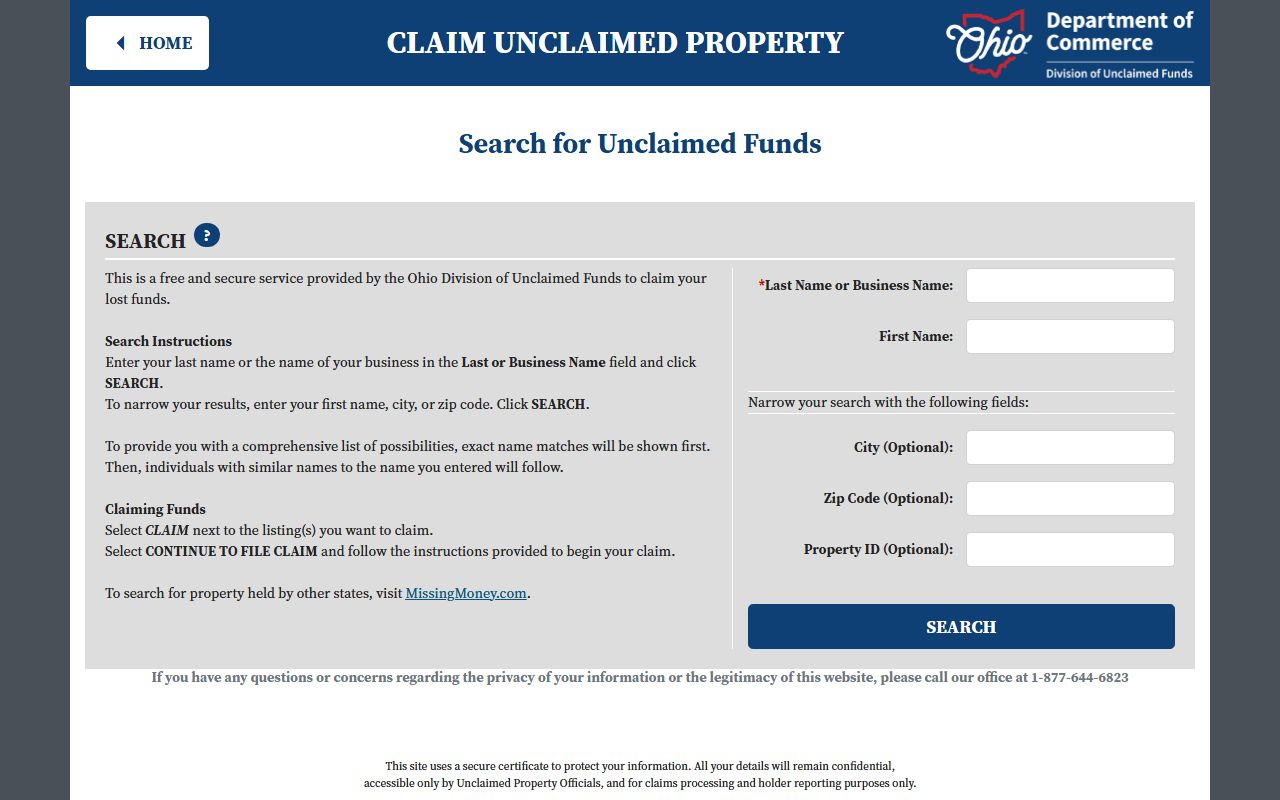
The Ohio Division of Unclaimed Funds website is the main tool for finding unclaimed money in Dayton. It is the official state database. It holds all funds reported by banks, businesses, insurance companies, and other holders operating in Ohio. The search is free. Type in your name and see if anything comes up. You can filter by city and use Dayton ZIP codes 45401 through 45499.
Montgomery County provides its own search resources for unclaimed funds. The Montgomery County Search Unclaimed Funds page links to both state and national databases and provides local guidance for Dayton residents. This is a good starting point because it puts all the relevant search links in one place. The county site also has contact information for the auditor and treasurer offices.
The state upgraded its claims system so you can search, upload documents, and track your claim status all at unclaimedfunds.ohio.gov. In 2024, the Division returned $149.6 million to people across Ohio.
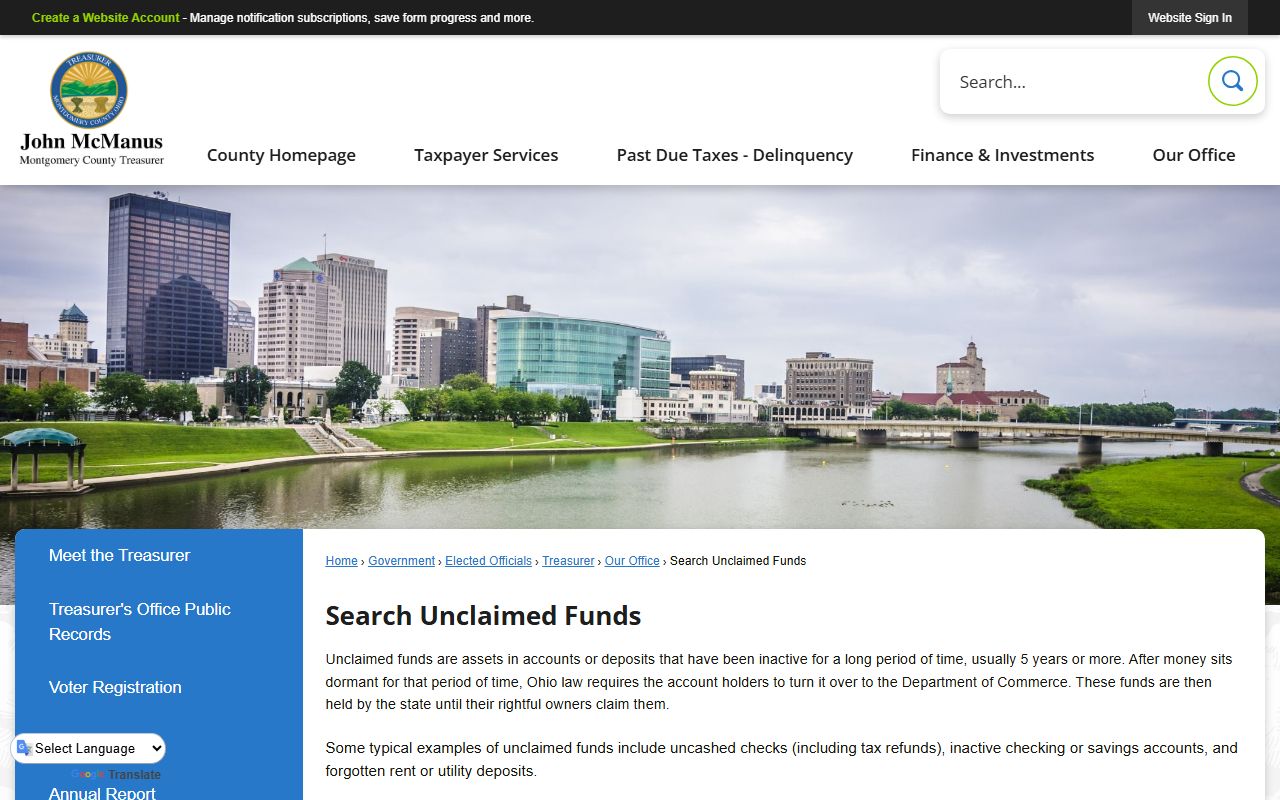
Montgomery County Unclaimed Money
Dayton is the county seat of Montgomery County, which holds $131.4 million in unclaimed funds at the state level. The county also holds its own pool of unclaimed money from government operations. These two pools are separate. You need to search both.
County-held unclaimed funds come from vendor payments, jury fees, child support, and other local government transactions. Under ORC 9.39, county officials must account for all money collected through their offices. If nobody claims those funds within five years, the money can go into the county general fund. That is different from state-held unclaimed money. The Ohio Division of Unclaimed Funds keeps state-level money on file with no expiration. The City of Dayton handles its own disbursements too. The city's Finance Department manages vendor payments and payroll that could become unclaimed.
Search MissingMoney.com for a national check. It covers 39 states. Dayton's location near Indiana means some residents may have funds across the state line.
Note: Montgomery County ranks fourth in Ohio for unclaimed funds, making Dayton one of the top areas to search.
How Dayton Residents Claim Funds
Claiming unclaimed money in Dayton follows a simple three step process. Search the database. Gather your documents. Submit the claim. There is no fee at any point. Most claims need a valid ID, proof of address, and your Social Security number. A W-9 form is standard. Claims over $3,000 may need to be notarized.
The How to Claim page walks you through each step for different claim types. If you are claiming for a dead family member, probate papers and a death certificate are needed. You can file online or mail your forms to the Department of Commerce at 77 S. High St. 20th Floor, Columbus, Ohio 43215. Claims go through an initial review that takes up to 120 days. Check your status at the Claim Status Lookup page.
The average claim in Ohio is about $4,000. Some come in much higher. Under ORC 169, businesses must report dormant funds each year. That means the database grows over time. Search at least once a year to catch new listings.
Dayton Unclaimed Money Sources
The most common unclaimed funds in Dayton come from:
- Inactive checking and savings accounts
- Uncashed payroll and vendor checks
- Forgotten utility and rent deposits
- Old insurance benefits and payouts
- Undelivered stock shares and dividends
Dayton has a mix of defense, healthcare, and manufacturing employers. Wright-Patterson Air Force Base and area hospitals employ thousands of people. When employees move or retire without cashing final checks, those funds eventually become unclaimed property. Under ORC 169, checking accounts go dormant after five years. Wages become unclaimed after one year. Businesses must try to reach the owner before reporting, and any account worth $50 or more must be sent to the state if the owner can't be found.
Life insurance proceeds become dormant three years after death if nobody files. Security deposits have a one year dormancy period. IRA and Keogh accounts go dormant after three years of inactivity. Military personnel connected to Wright-Patterson sometimes move without updating their addresses, which can lead to unclaimed funds from payroll and benefit programs. The database grows each year as businesses report new dormant accounts, so Dayton residents should make searching an annual habit.
Traveler's checks have the longest wait at 15 years before they go unclaimed. Safe deposit box contents also end up in the system when renters stop paying and the bank can't reach them. All of these add to the $131.4 million in Montgomery County unclaimed money.
Nearby Cities Unclaimed Money
Several cities near Dayton also have significant unclaimed funds. If you have connections to these areas, search their resources too.
Kettering and Huber Heights share Montgomery County with Dayton. Springfield is in Clark County. Beavercreek falls under Greene County. Each county has its own auditor and treasurer who may hold unclaimed funds from local operations. The state database covers all of Ohio in one search, but county-held funds need to be checked at the county level.